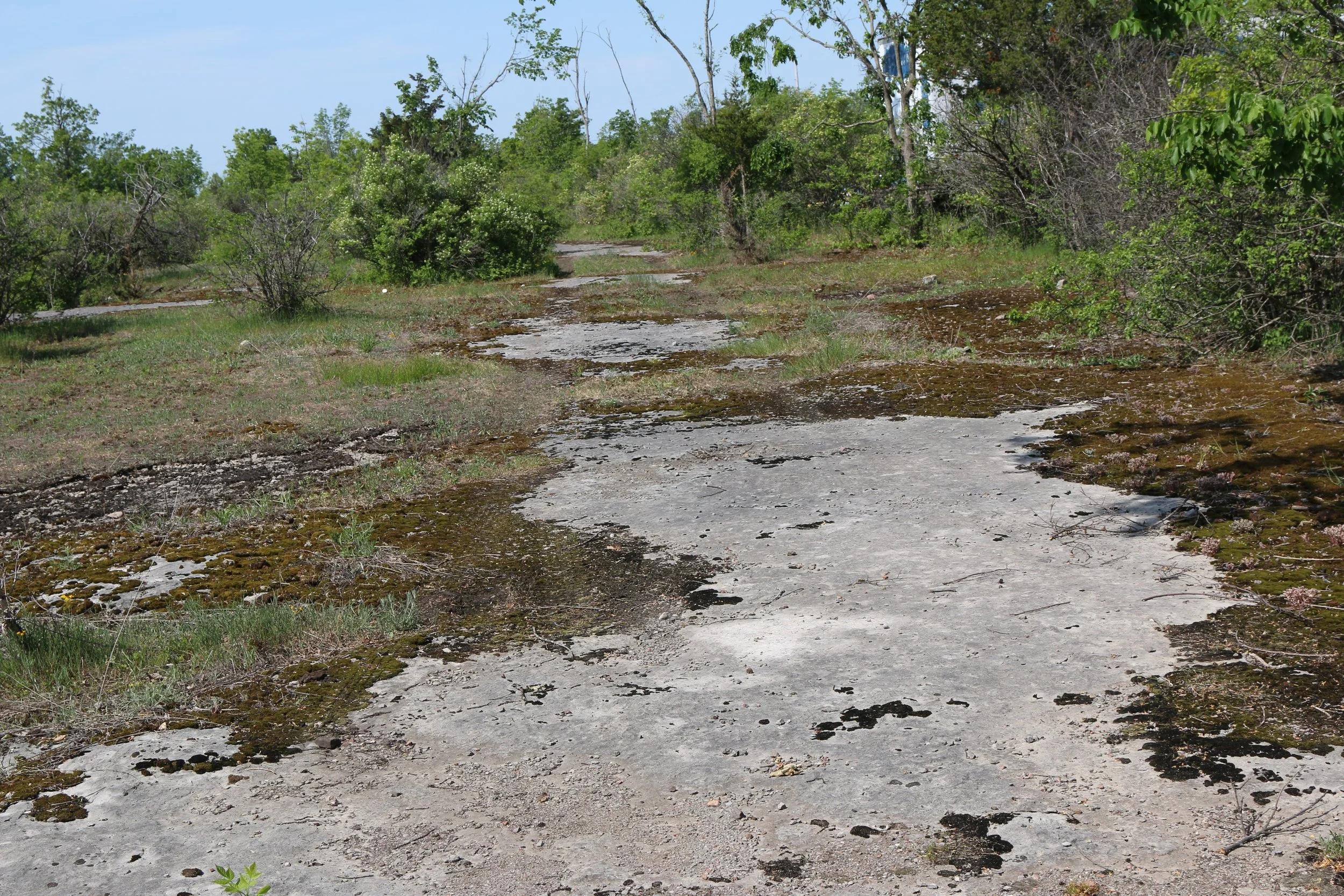
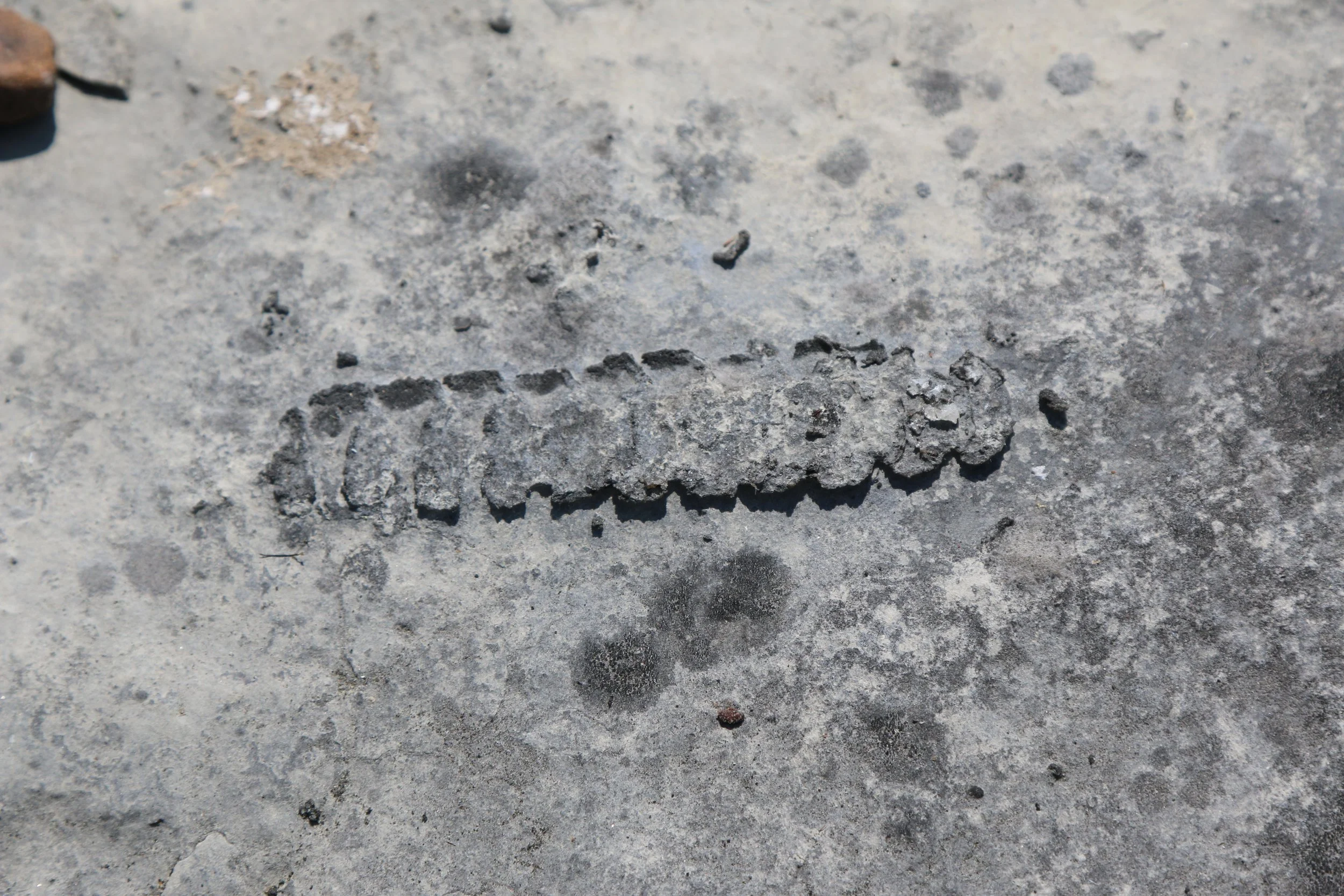
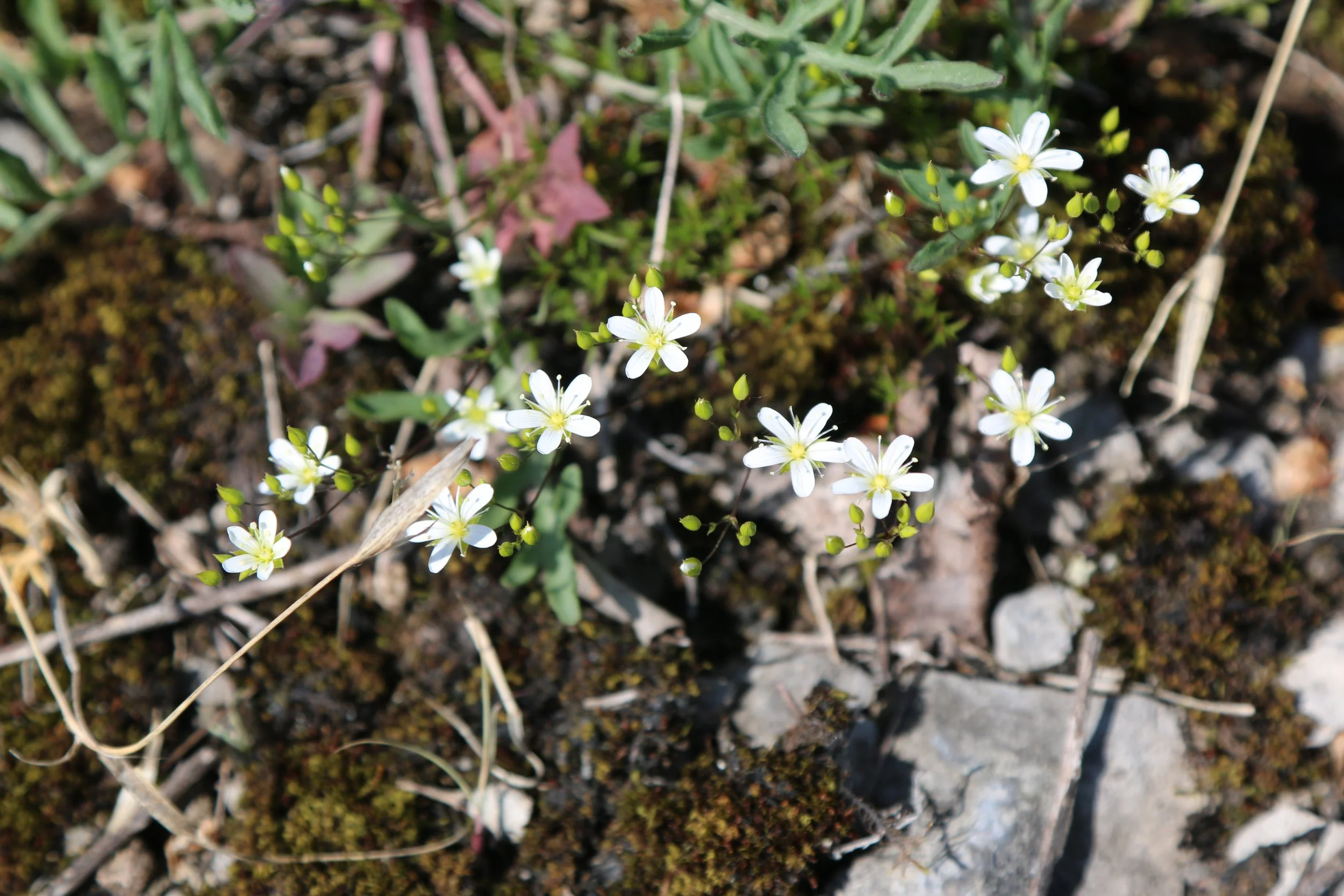
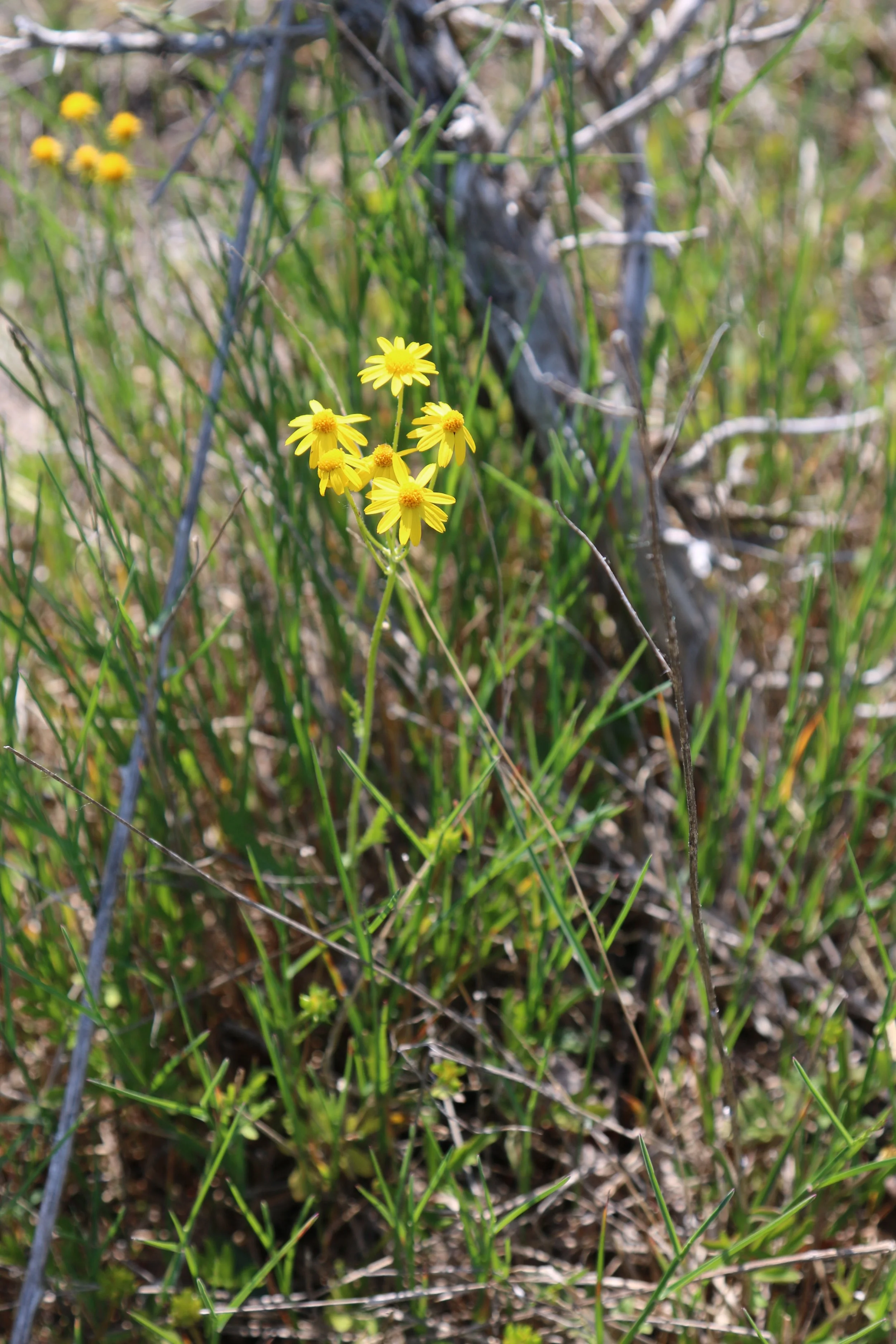
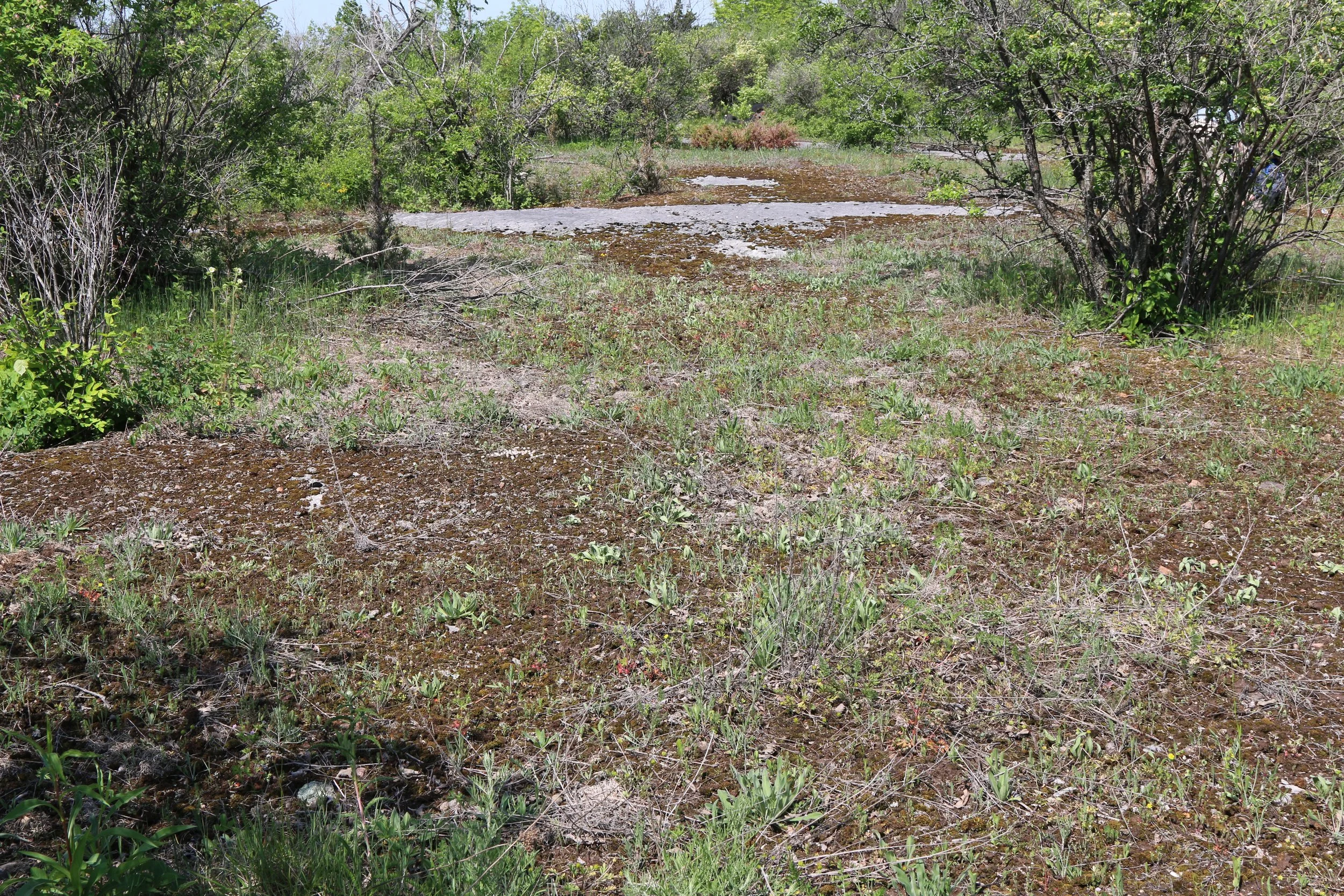
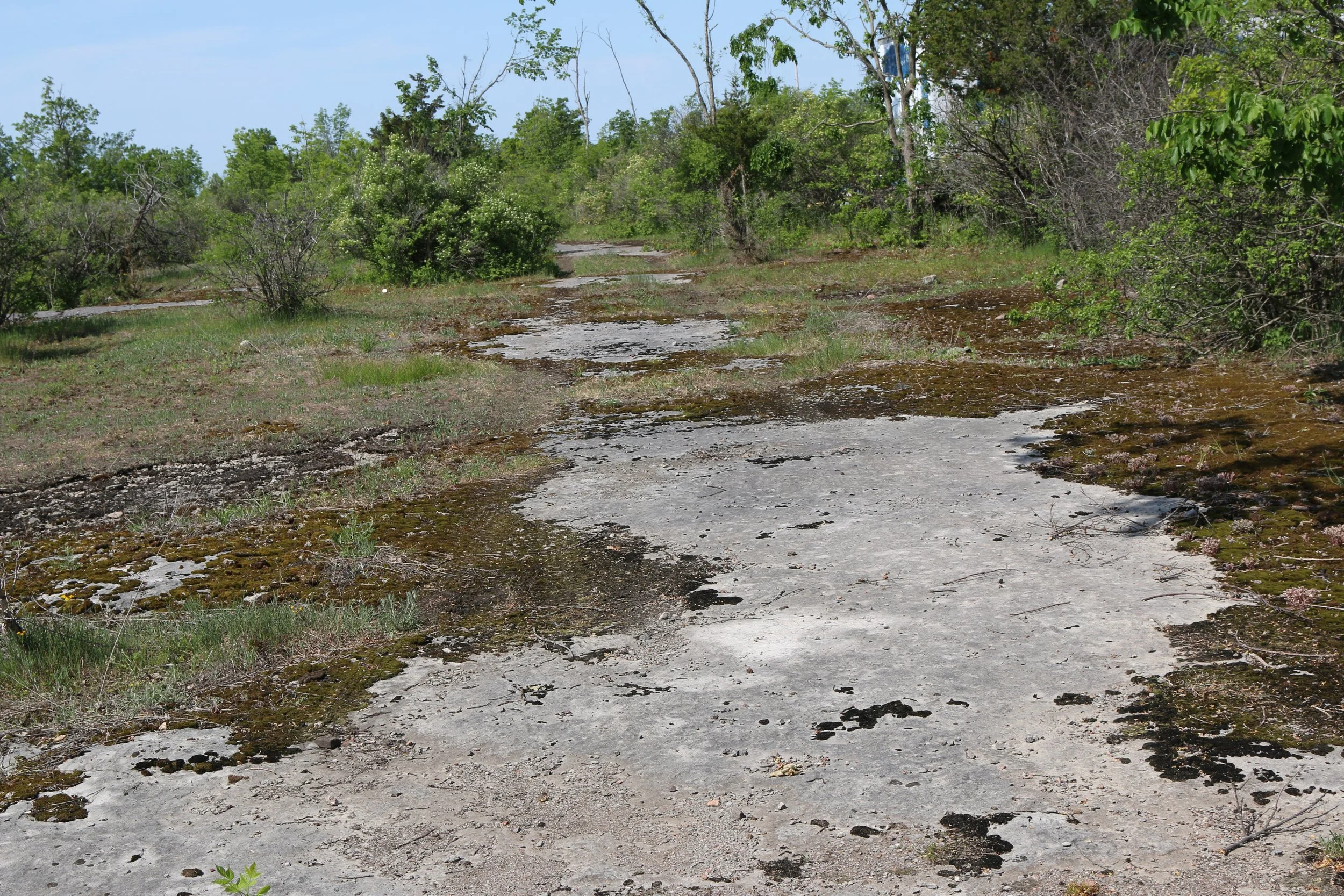
Near the east end of Lake Ontario are expanses of flat, partly bare, pavement-like limestone, supporting a rare assemblage of plants and animals, known as alvar.
Scientists are unsure how these sparsely vegetated habitats have so little soil: Was it glacial scouring followed by harsh wet-dry cycles? Shortage of phosphorus because it is bound by calcium carbonate from limestone?
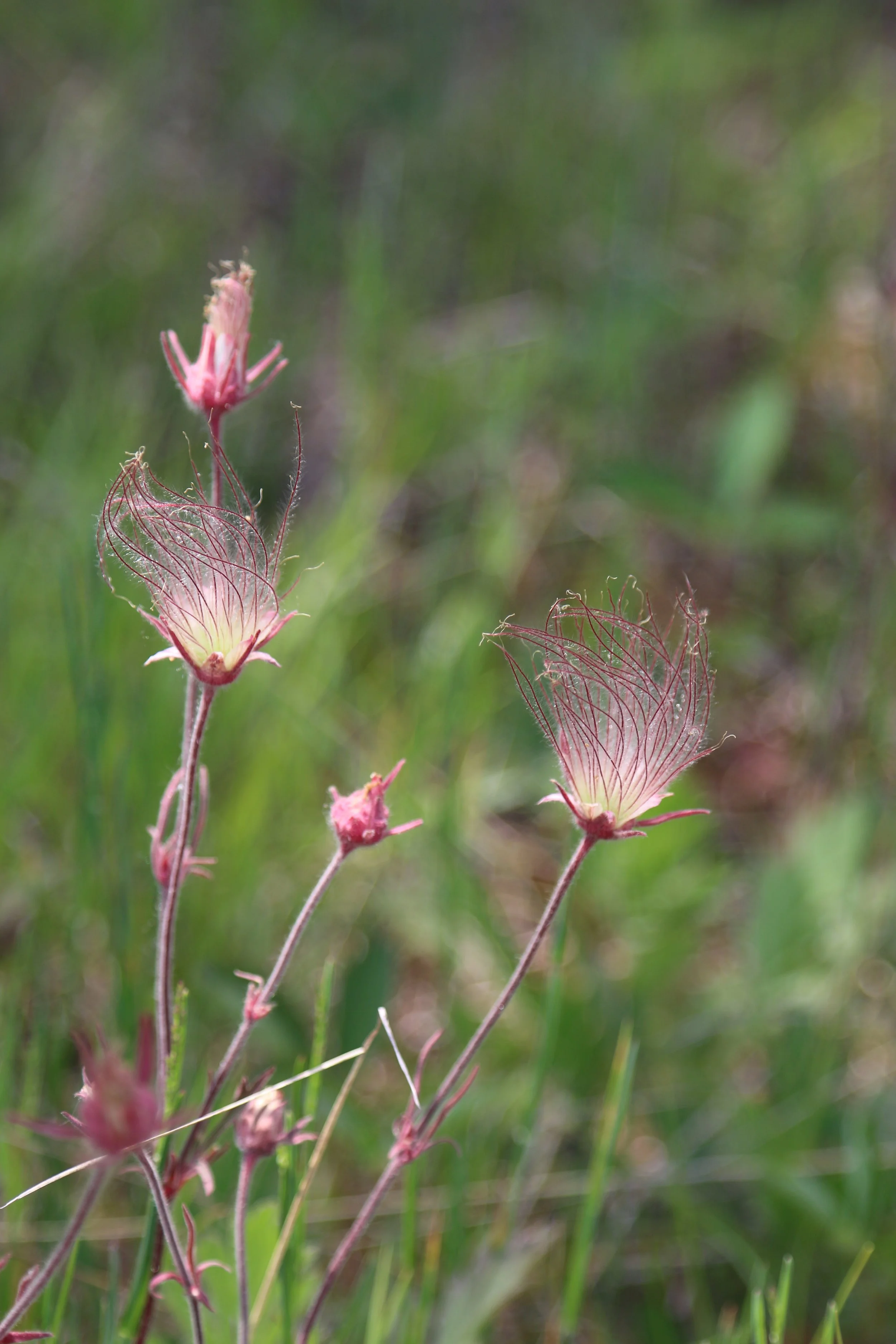
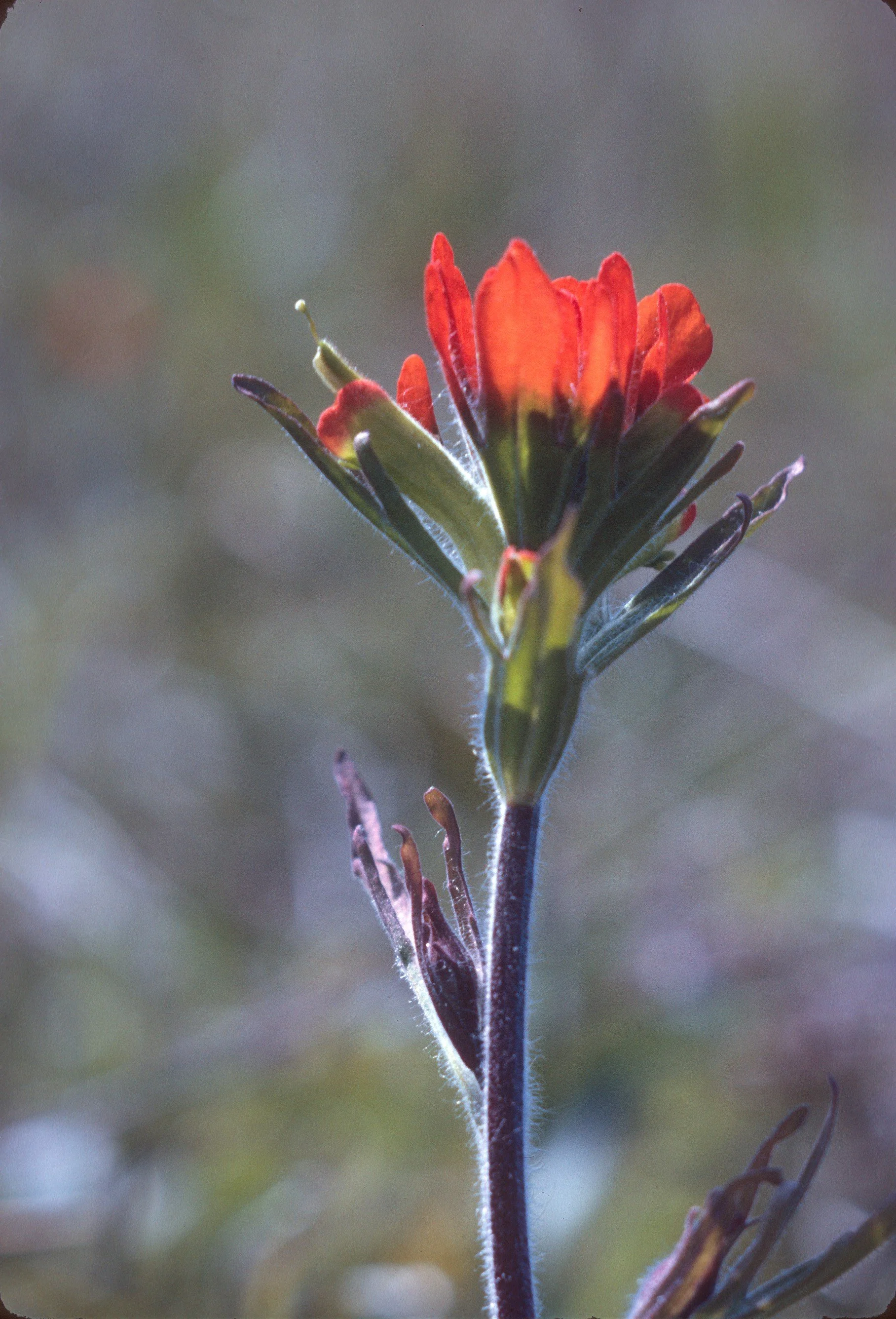
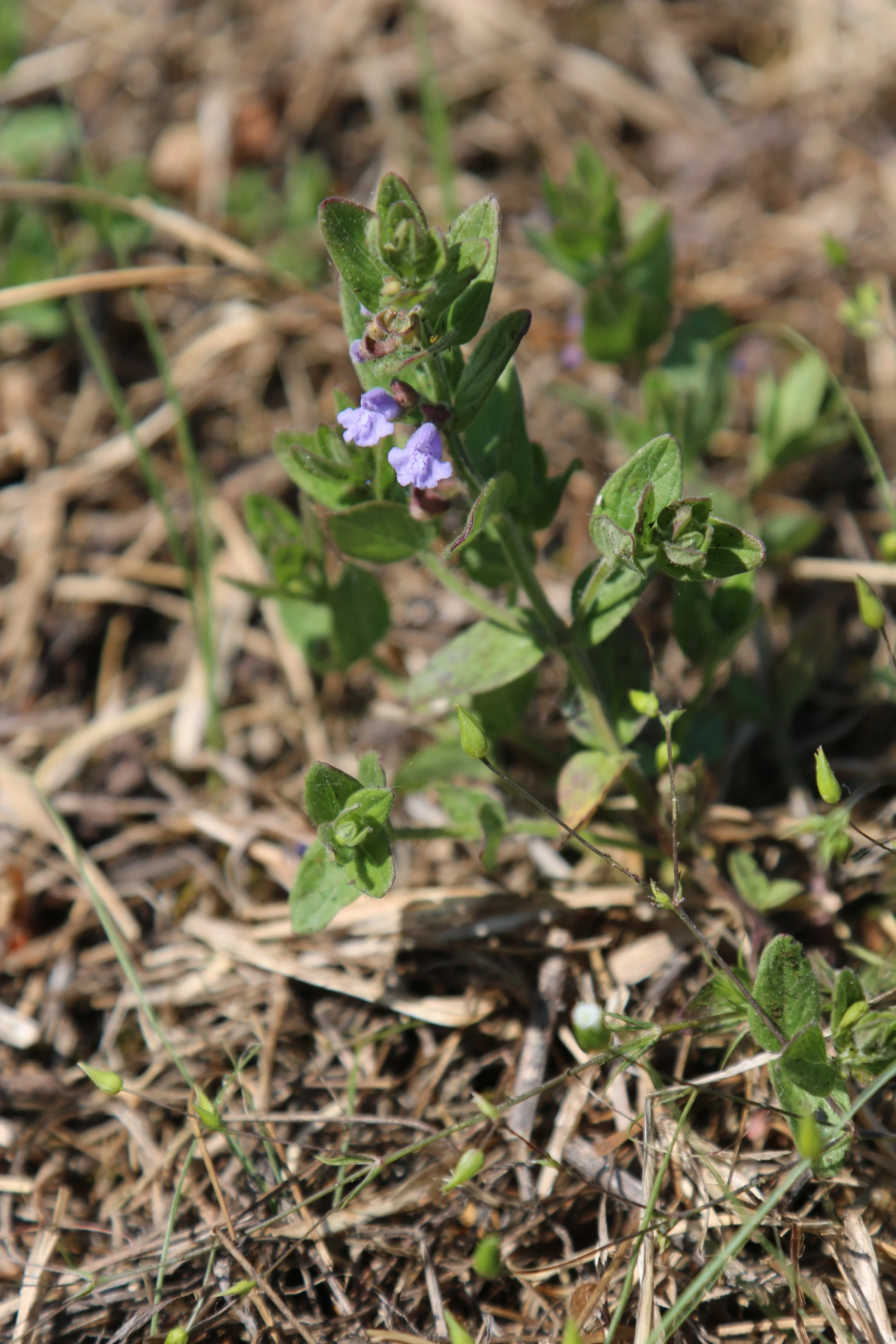
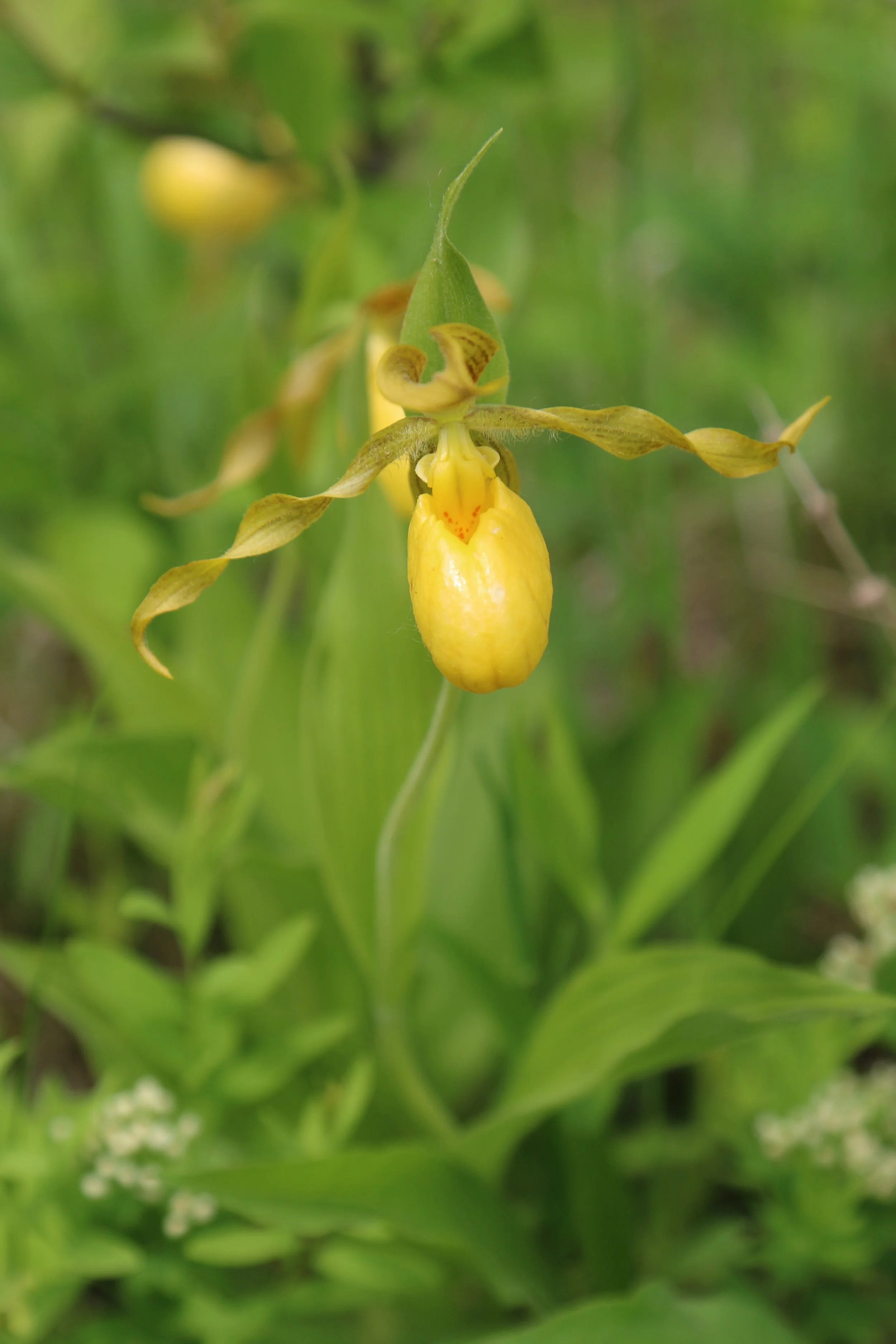
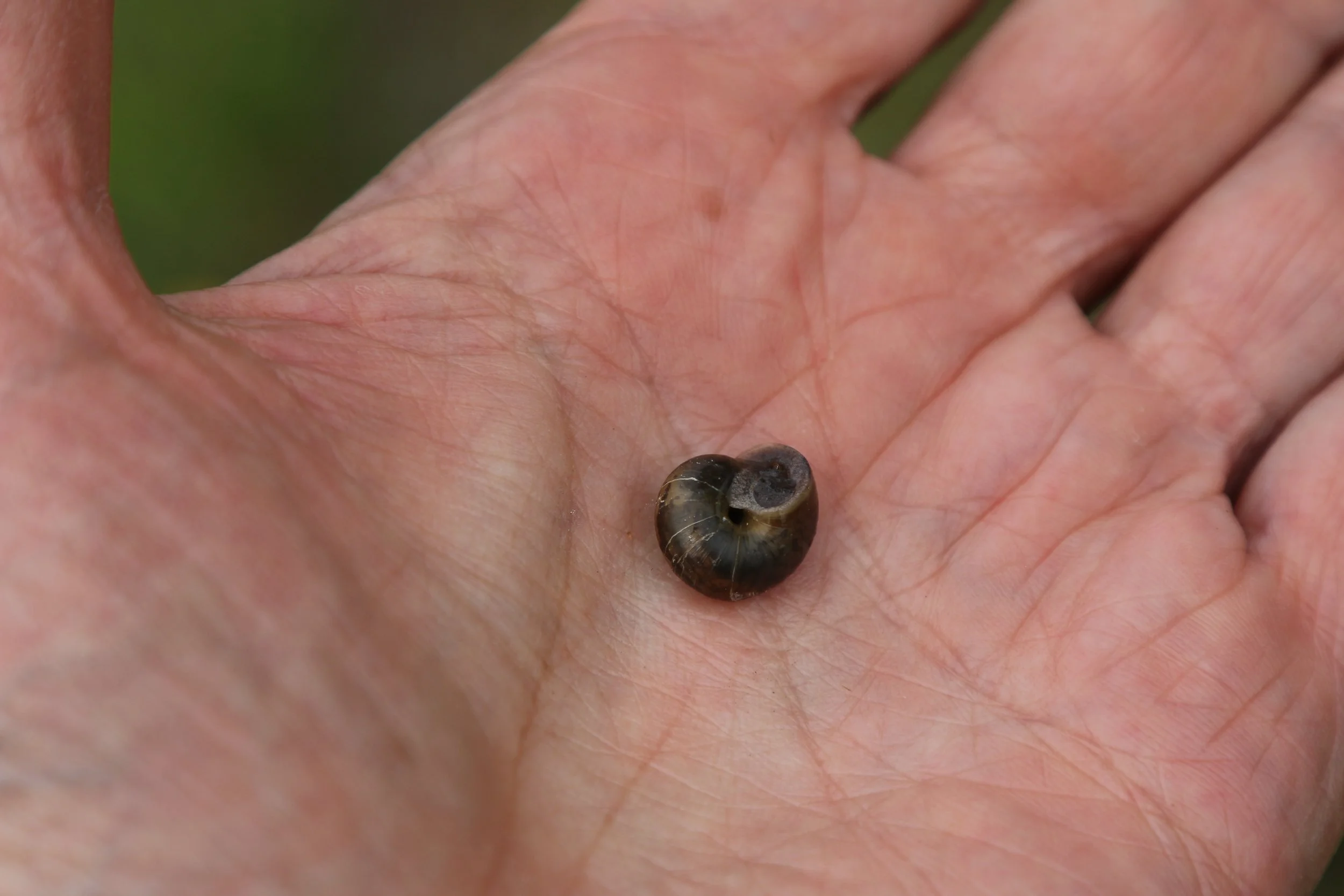
Alvars support many rare plants and animals in a habitat not known to be found anywhere else in New York, and are considered imperiled elsewhere in the world in the few places they do occur. Some flora and fauna, like the prairie smoke (plant) and the Olympia marble butterfly, are only found on alvar habitats in New York. The Blanding’s turtle, listed as threatened in New York, is present in the area and its relationship to alvar is currently unknown.
The Hudson Valley region doesn’t have alvar habitat. There is limestone and marble bedrock locally, which also supports rare plants, but it is found in ledges and talus rather than flat pavements.
The alvar shown here adjoins the site of a proposed utility-scale solar park. Hudsonia was retained by the Town of Lyme to analyze the potential impacts of this project, just as we are often brought in by groups to look at the potential effects of large-scale projects in grasslands. In both cases the apparent paucity of the landscape may invite development.
As scientists, we take a neutral stance on land use issues. We have worked with solar developers, community groups, and municipalities to reduce the impacts of solar parks on biodiversity. But we have to ask if this biologically diverse and alvar-rich landscape is a good place for solar parks occupying thousands of acres. In New York, most alvar sites fall within an area of of about 12 miles long by 2 miles wide, much of it already affected by human use. Siting solar parks is a land use challenge. Will energy development plans ignore habitats critical to rare and common biota? Or can solar arrays be built over roofs, parking areas, stadiums, and already-used land that is not as biologically important?
Hudsonia’s work is intended to guide local efforts to protect our landscapes, especially important when national environmental policies put the country’s natural resources under further strain. Effective nature management is site-specific, responsive to stakeholder goals, and based on current science.
Resources and Additional Reading:
Edinger, G.J. 2024. Alvar Pavement Grassland. Online Conservation Guide for Alvar pavement grassland. New York Natural Heritage Program. Available from: https://guides.nynhp.org/alvar-pavement-grassland/
Gilman, B.A. 2025. Notable plant rarities of northern New York alvar landscapes. Journal of the Torrey Botanical Society 152(2): 104-113.
Kiviat, E. 2026. Biodiversity Assessment of the Proposed 150 MW “Limestone Solar” Site in the Town of Lyme, Jefferson County, NY. Hudsonia Ltd.
Kiviat, E. (ed). 2020. Ecological research on the impacts of large-scale solar facilities. News from Hudsonia 34(1):4-5, 10.