
Forest Conservation Initiative
Forest Conservation in the Hudson Valley
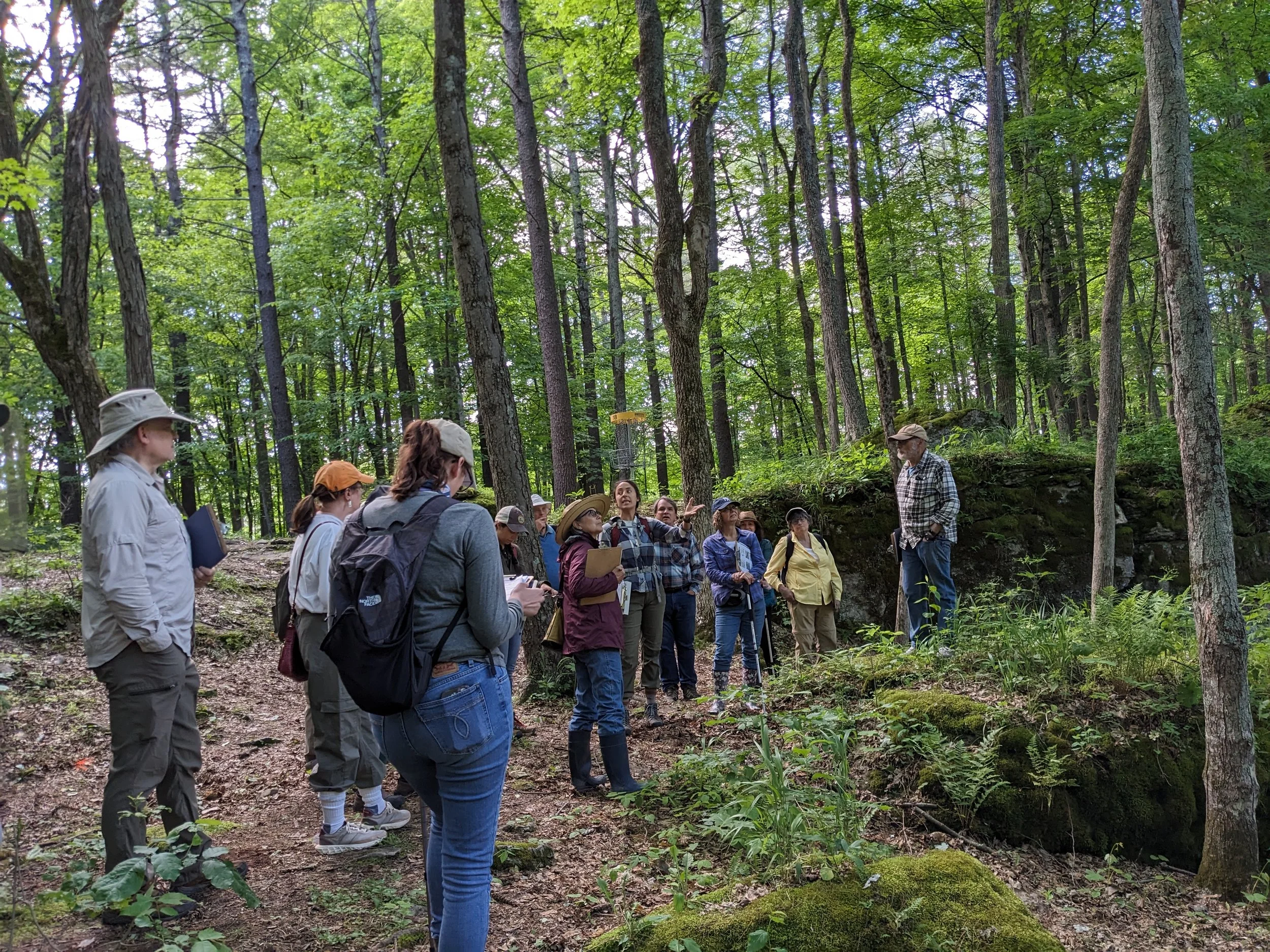
Photo credit: Christine Vanderlan
Are you involved in municipal decision-making in your community? If so, we invite you to share your insights on local forest protection in a brief survey*
Help Protect Local Forests in your Community
Your input will directly shape a new Forest Conservation Toolkit designed to:
Reflect real on-the-ground needs
Support both site-level and regional decision-making
Strengthen local capacity to protect high-value forests
*Participants must be 18 years of age or older
Your voice matters - your community’s forests depend on it.
Hudsonia, along with project partners, is working to develop a science-based, adaptable municipal toolkit that brings together the best practices, policies, and tools to aid municipalities in conserving forests.
Project Overview
The “Forest Protection Toolkit” is a resource designed to be used by land-use decision makers including municipalities, land trusts, and other entities to assist with forest conservation in the region. The toolkit will bring together data resources and methods available to preserve forests such as existing code, private landowner incentives, and other innovative approaches to achieve conservation goals. A key element of this resource will also identify gaps where tools are needed.
The “Collaborative” will work to create the Toolkit and provide outreach and training in its use. The Collaborative will comprise of regional partners working in land use conservation.
Project Status
✔ Calling all municipal officials in the Hudson Valley Region! Please fill out this SURVEY to help us better understand your municipality’s needs
Next Steps
✔ Is your organization or municipality interested in collaborating with us or learning more? Please contact us!
Share
✔ Check out our Instagram (@HudsoniaLtd) to help share our survey and spread the word about our work on forest conservation
In New York…
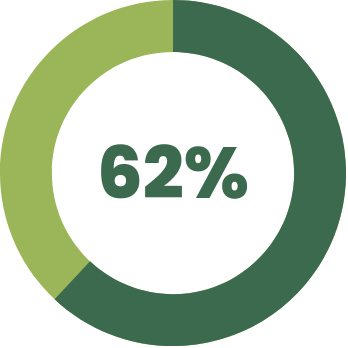
62% of State land is forested (approximately 18.6 million acres) 1
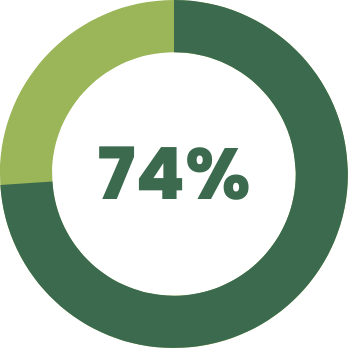
74% of forests are privately owned (approximately 13.8 million acres) 2
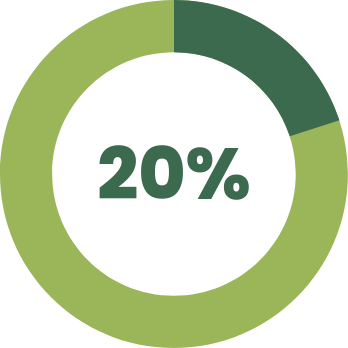
20% of land is protected (approximately 6.2 million acres) 3
Forest Biodiversity and Ecosystem Services
✷ 1 tree can filter 36,500 gallons of water per year 4
✷ 2,000 different kinds of plants, birds, mammals, reptiles, and amphibians live in the Hudson Valley 5
✷ 90% of species in NY are found in the Hudson Valley 5
Action Needed
>490,000 Acres of Forest Lost
between 2001 and 20246
NY Forest Economics
$1.9 million in forest-related tourism 1
$300 million annually paid to private land owners 1
$14 billion economic contribution of forest products-related manufacturing and services 1
Forests in New York Sequester
24 to 26 million metric tons
of carbon dioxide equivalent per year 2
References
1. Forests and trees. (n.d.). Department of Environmental Conservation. https://dec.ny.gov/nature/forests-trees
2. Climate & Applied Forest Research Institute. (2023). New York Forest Carbon Assessment Summary Report. In New York Forest Carbon Assessment Summary Report [Report]. https://www.esf.edu/cafri-ny/documents/cafri-report-2023.pdf
3. Adirondacks, P. T., & Adirondacks, P. T. (2023, November 9). New Special report: “20% in 2023: An Assessment of the New York State 30 by 30 Act” Protect the Adirondacks! https://www.protectadks.org/new-special-report-20-in-2023-an-assessment-of-the-new-york-state-30-by-30-act/#:~:text=Protect%20the%20Adirondacks'%20analysis%20concludes,county%20forests%2C%20and%20watershed%20lands
4. Winnakee Land Trust. (2023, June 8). Land for clean water - Winnakee Land Trust. https://www.winnakee.org/saving-land-forests/protect/land-for-clean-water/
5. Young, S. (2004). Conserving natural areas and wildlife in your community. In Chapter 3: Natural Areas and Wildlife Habitat of the Hudson Valley. https://extapps.dec.ny.gov/docs/remediation_hudson_pdf/hrebch3.pdf
6. Vizzuality. (n.d.). New York, United States Deforestation rates & statistics | GFW. https://www.globalforestwatch.org/dashboards/country/USA/33/?category=forest-change&location=WyJjb3VudHJ5IiwiVVNBIiwiMzMiXQ%3D%3D&map=eyJjYW5Cb3VuZCI6dHJ1ZX0%3D